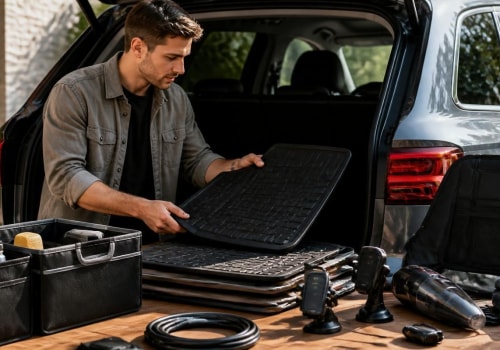
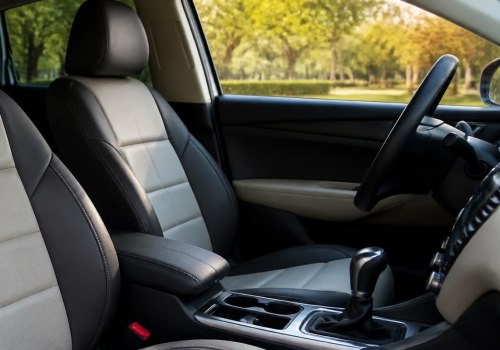
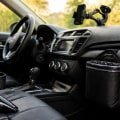
When it comes to enhancing your vehicle's functionality and aesthetics, car accessories play a pivotal role. These items are not just add-ons; they can significantly improve your driving experience, safety, and comfort. From practical tools that assist in everyday tasks to stylish enhancements that reflect your personality, understanding what constitutes car accessories is essential for any car owner. There are various types of car accessories, each serving unique purposes. For instance, you have interior accessories like seat covers and floor mats that protect your car's interior while adding a personal touch.
On the other hand, exterior accessories, such as spoilers and roof racks, can enhance your vehicle's appearance and utility. Additionally, performance accessories, including upgraded exhaust systems and air filters, can boost your car's efficiency and power. The benefits of investing in car accessories are manifold. Not only do they allow for customization that reflects your style, but they also contribute to the longevity of your vehicle by protecting its components from wear and tear. Moreover, certain accessories can improve safety features, such as backup cameras or blind-spot monitors, making your driving experience more secure.
Ultimately, understanding the landscape of car accessories empowers you to make informed decisions that enhance both the functionality and enjoyment of your vehicle.
Essential Tools for Installation
When it comes to installing car accessories, having the right tools can make all the difference. Whether you're adding a new stereo system, installing seat covers, or upgrading your headlights, being equipped with the essential tools will ensure a smoother installation process. Below is a list of must-have tools for your DIY car projects.- Screwdrivers: A set of both flathead and Phillips screwdrivers is crucial for removing and securing various components in your vehicle. Make sure to have different sizes to accommodate different screws.
- Socket Set: A comprehensive socket set will help you tackle bolts and nuts of various sizes.
Look for a set that includes both metric and standard sizes to cover all bases.
- Wrenches: Adjustable wrenches or a complete wrench set are essential for loosening or tightening bolts that may be hard to reach.
- Pliers: Needle-nose pliers are particularly useful for gripping small parts or wires, while regular pliers can help with general tasks.
- Wire Strippers and Crimpers: If your installation involves electrical components, these tools are necessary for preparing wires and making secure connections.
- Drill and Drill Bits: A power drill can be invaluable for creating new holes or securing accessories that require additional mounting points.
- Tape Measure: Accurate measurements are key when installing accessories like floor mats or custom-fit seat covers. A tape measure ensures you get the right fit every time.
- Flashlight or Work Light: Good lighting is essential, especially when working in dimly lit areas of your vehicle. A portable work light can illuminate tight spaces effectively.
Safety Precautions Before You Start
Before diving into the installation of car accessories, it’s crucial to prioritize safety.Taking the right precautions can prevent accidents and ensure a smooth DIY project. Here are some essential safety tips to consider:
- Read the Instructions: Always start by thoroughly reading the manufacturer’s instructions that come with your car accessories. Understanding the installation process can help you avoid mistakes that could lead to injury or damage.
- Wear Protective Gear: Equip yourself with appropriate safety gear, such as gloves and safety glasses. This will protect your hands from sharp edges and your eyes from debris.
- Work in a Well-Ventilated Area: If your installation involves any chemicals or adhesives, ensure you are working in a space with good airflow.
This minimizes inhalation risks and keeps you safe from fumes.
- Disconnect the Battery: For electrical installations, always disconnect the car battery before starting. This prevents any accidental shocks or short circuits while you work on your vehicle.
- Use the Right Tools: Make sure you have all necessary tools on hand and that they are in good condition. Using the wrong tools can lead to injuries or improper installations.
- Keep Your Workspace Organized: A cluttered workspace can lead to accidents. Keep tools and parts organized to minimize tripping hazards and ensure you can find everything you need quickly.
Remember, taking a few extra moments to prepare can save you time and trouble in the long run.
Common Challenges and Solutions
Installing car accessories can be a rewarding DIY project, but it often comes with its own set of challenges. Understanding these common problems and their solutions can make the process smoother and more enjoyable.Common Problems During Installation
- Compatibility Issues: Not all accessories fit every vehicle model. Always check compatibility before purchasing.
- Missing Tools: Many installations require specific tools. Ensure you have everything on hand to avoid interruptions.
- Wiring Confusion: Electrical accessories can be tricky.
Miswiring can lead to malfunction or damage.
- Insufficient Instructions: Some products come with vague or unclear instructions, making installation difficult.
Troubleshooting Tips
If you encounter issues while installing your car accessories, consider the following solutions:- Double-Check Compatibility: Refer to the product specifications and your vehicle’s manual to ensure the accessory is suitable for your car.
- Gather Necessary Tools: Before starting, make a checklist of required tools and gather them to avoid delays.
- Consult Online Resources: Look for video tutorials or forums where others have shared their experiences with similar installations.
- Seek Professional Help: If wiring seems too complex, don’t hesitate to consult a professional to avoid damaging your vehicle.
FAQs About Installing Car Accessories
Installing car accessories can be a rewarding DIY project, but many people have questions about the process. Here are some frequently asked questions that can help guide you through your installation journey.What tools do I need to install car accessories?
The tools required can vary depending on the type of accessory you are installing. However, some common tools include:- Screwdrivers (flathead and Phillips)
- Wrenches or socket sets
- Pliers
- Wire strippers (for electrical accessories)
- Tape measure
- Drill (if mounting is required)
Are there any safety precautions I should take?
Absolutely! Safety should always be your top priority. Here are some precautions to consider:- Ensure the vehicle is turned off and parked on a flat surface.
- Disconnect the battery if you're working with electrical components.
- Wear safety goggles to protect your eyes from debris.
- Follow the manufacturer's instructions carefully to avoid damaging your vehicle.
Can I install car accessories without professional help?
Yes, many car accessories, such as floor mats, seat covers, and phone mounts, can be easily installed without professional assistance.However, for more complex installations like audio systems or lighting kits, it may be beneficial to consult a professional if you're unsure.
Where can I find installation guides?
You can find installation guides in several places:- The manufacturer's website often provides detailed instructions.
- YouTube has numerous tutorial videos for visual learners.
- Automotive forums and communities can offer advice and tips from experienced DIYers.
Conclusion: Empowering Your DIY Journey with Car Accessories
In conclusion, installing car accessories yourself can be a rewarding and empowering experience. By taking the time to understand the installation process, you not only save money but also gain a deeper appreciation for your vehicle. Throughout this article, we have explored various types of car accessories, from simple upgrades like floor mats and seat covers to more complex installations such as audio systems and roof racks.Here are some key takeaways to remember:- Research is crucial: Before starting any installation, ensure you have done thorough research on the specific accessory and its installation requirements.
- Tools matter: Having the right tools on hand can make a significant difference in the ease and success of your installation.
- Follow instructions: Always refer to the manufacturer’s instructions for guidance, as they provide valuable insights tailored to your specific accessory.
- Safety first: Prioritize safety by disconnecting the battery when working with electrical components and wearing appropriate protective gear.
The satisfaction of enhancing your vehicle with your own hands is unmatched, and each successful project will inspire you to take on even more ambitious upgrades.So gather your tools, choose your accessories wisely, and enjoy the process of transforming your car into a personalized space that reflects your style and needs. Happy installing!.